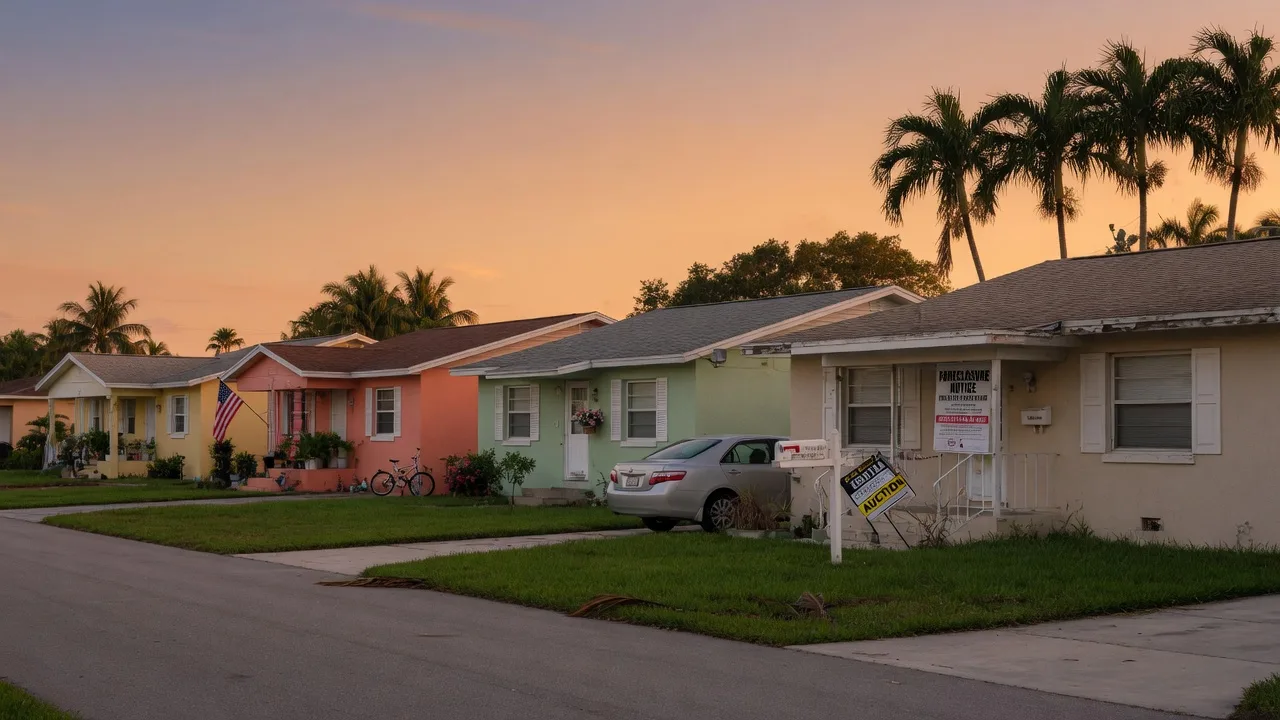
Foreclosure activity in Florida has been making headlines throughout 2026. Recent data from ATTOM's midyear report shows Florida posting the highest foreclosure rate in the nation during the first half of 2026. The Jacksonville metro area ranked among the 10 worst-hit metros nationally. If you are a homeowner feeling uncertain about your situation, or an investor watching for opportunity, here is what you need to know.
What the Data Shows
According to ATTOM Data's H1 2026 Midyear Foreclosure Market Report (released July 17, 2026):
Sources: ATTOM Data H1 2026 Midyear Report (July 17, 2026); News4JAX; HousingWire; PR Newswire
Key Context: This Is Not 2008
The numbers are rising, but context matters. In January 2026, Gonzalo Mejia, then incoming president of the Northeast Florida Association of Realtors, told News4JAX that the current foreclosure situation is "not even close" to the 2008 housing crisis. The Northeast Florida market is "normalizing" and becoming more balanced rather than experiencing a distressed sell-off.
What is different today from 2008: lending standards are much tighter, homeowners have significantly more equity, and the economy remains strong with low unemployment. The current foreclosure uptick is driven by specific, concentrated factors rather than a systemic collapse in lending.
What's Driving the Increase
Expired Pandemic Protections
Forbearance programs and foreclosure moratoriums have fully unwound. Lenders are now processing delinquencies that accumulated during and after the pandemic.
Rising Insurance and Carrying Costs
Florida property insurance premiums have soared. Combined with higher property taxes and HOA fees, the cost of owning a home has increased significantly, pushing some homeowners past their breaking point.
Condo Assessment Pressures
Post-Surfside condominium structural safety laws have led to significant special assessments for condo owners, particularly in South Florida, adding financial strain.
Life Events
Job loss, divorce, death of a loved one, and medical emergencies remain the most common reasons homeowners face foreclosure. These personal situations often come with little warning.
What This Means for Homeowners
If you are behind on mortgage payments or have received a lis pendens notice, you have options. Acting quickly gives you more choices. Here is a quick overview of the most common paths:
What This Means for Investors
Rising foreclosure activity creates opportunities for prepared investors. According to a July 2026 Florida Realtors report citing Realtor.com data, foreclosed homes nationally sold for a median 27.2% below estimated value, and foreclosure listings reached a six-year high. Distressed properties are drawing 26.5% more buyer page views than average listings.
Whether you are looking at pre-foreclosure properties, short sales, or REO listings, these transactions require specialized knowledge. You need someone who understands the lender side, the legal process, and the local market. With 30+ years exclusively in REO and distressed sales, I have helped investors of all sizes find and close on distressed properties across Northeast Florida.
The Bottom Line
Foreclosure filings are up, but this is not a repeat of the 2008 crisis. It is a market adjustment driven by specific economic factors. For homeowners facing distress, there are proven options to protect your future. For investors, there are genuine opportunities to acquire properties below market value.
Either way, the key is working with someone who understands the process from every angle. I have been inside banks like WAMU and Chase as a consultant, and on the ground negotiating short sales and REOs for servicers. I know what lenders need and how to get deals done.
Please allow me the honor of serving you and your real estate needs.
Free Consultation
No pressure. No obligation. Just honest advice about your situation.

Over 40 years in real estate, 30 years exclusively in REO and distressed sales. Licensed Broker, Mortgage Broker (NMLS#1851106), and Title Agent (A259313) in Florida. I have worked with FHA, VA, Fannie Mae, Freddie Mac, Chase, CitiBank, Goldman Sachs, and more. I know how lenders, servicers, and government agencies operate from the inside.