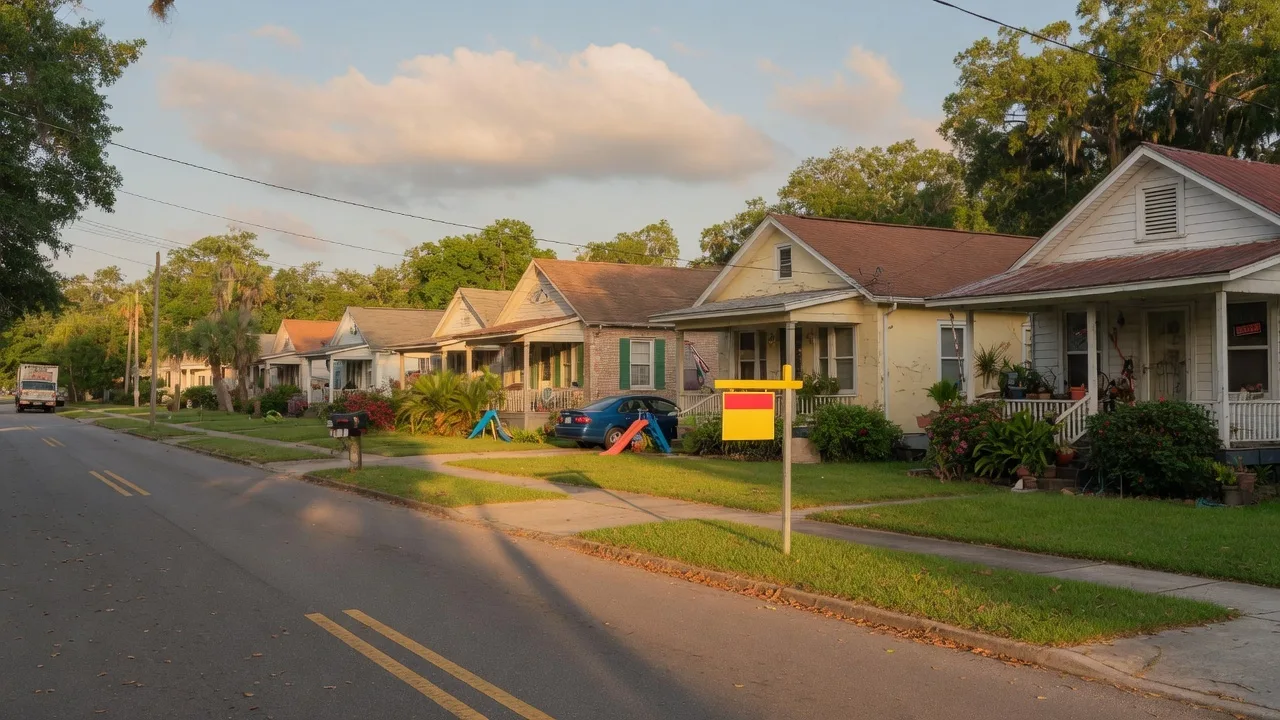
Foreclosure activity in Florida and the First Coast has been climbing steadily through 2026. According to ATTOM Data midyear report (published July 17, 2026), Florida had the highest foreclosure rate in the nation during the first half of 2026. The Jacksonville metro ranked #8 among the worst-hit U.S. metros. If you are a homeowner facing financial distress, or if you are watching the market as an investor, the data tells a clear story: distressed properties are becoming more common, and knowing what to do about them is critical.
The Numbers: What the Data Shows
According to ATTOM Data, Florida posted the nation worst foreclosure rate in the first half of 2026. Here are the key figures from the ATTOM Data H1 2026 Midyear Foreclosure Market Report, released July 17, 2026:
Sources: ATTOM Data H1 2026 Midyear Report (July 17, 2026), News4JAX, Action News Jax, Jacksonville Business Journal (June 2026), HousingWire, Florida Politics
Why Are Foreclosures Rising?
Several factors are contributing to the increase in foreclosure activity across Northeast Florida:
1. Post-Pandemic Protections Have Expired
The forbearance programs and foreclosure moratoriums that helped millions of homeowners during the pandemic have fully unwound. Lenders are now processing delinquencies that may have been building for months or years.
2. Rising Insurance Costs
Florida homeowners have seen dramatic increases in property insurance premiums. For some, the added cost has pushed an already tight budget past the breaking point. Higher insurance costs also affect buyers, reducing the pool of qualified purchasers.
3. Elevated Mortgage Rates
With 30-year conventional mortgage rates around 6.70% as of July 23, 2026, homeowners who purchased or refinanced at lower rates may struggle to sell or refinance. Those with adjustable-rate mortgages may be facing significantly higher payments.
4. Life Events
Divorce, job loss, death of a loved one, and medical emergencies remain the most common triggers for foreclosure. If you are dealing with any of these situations, you are not alone, and there are options available.
What This Means for Homeowners in Distress
If you are behind on your mortgage payments or have received a lis pendens notice, the most important thing you can do is take action. Here is a quick overview of your options:
Loan Modification
Negotiate new loan terms with your lender. Lower your rate, extend your term, or reduce the principal balance.
Short Sale
Sell the property for less than you owe, with lender approval. Less credit impact than a foreclosure. I have negotiated hundreds of short sales.
Deed-in-Lieu of Foreclosure
Voluntarily transfer the deed to the lender. Faster and less damaging than a full foreclosure.
Traditional Sale
If you have equity, a traditional sale can satisfy the debt and protect your credit.
What This Means for Investors
Rising foreclosure activity creates opportunities for investors. Pre-foreclosure properties, short sales, and REO listings can offer below-market pricing. However, these transactions require specialized knowledge of the foreclosure process, lender negotiations, and property condition assessment.
With 30+ years of experience in REO and distressed sales, I have worked with investors of all types to find and close on distressed properties. If you are looking to add to your portfolio, I can help you identify opportunities and navigate the process.
The Bottom Line
Foreclosure activity is rising in Northeast Florida, but that does not have to mean losing your home or making a bad investment. Whether you are a homeowner facing financial distress or an investor looking for opportunities, the key is working with someone who understands the process from every angle.
I have been on both sides of the REO world — inside banks like WAMU and Chase as a consultant, and on the ground negotiating short sales, BPOs, and property preservation for servicers. I understand what lenders need and how to get deals done. Let me put that experience to work for you.
Please allow me the honor of serving you and your real estate needs.
Free Consultation
No pressure. No obligation. Just honest advice about your situation.
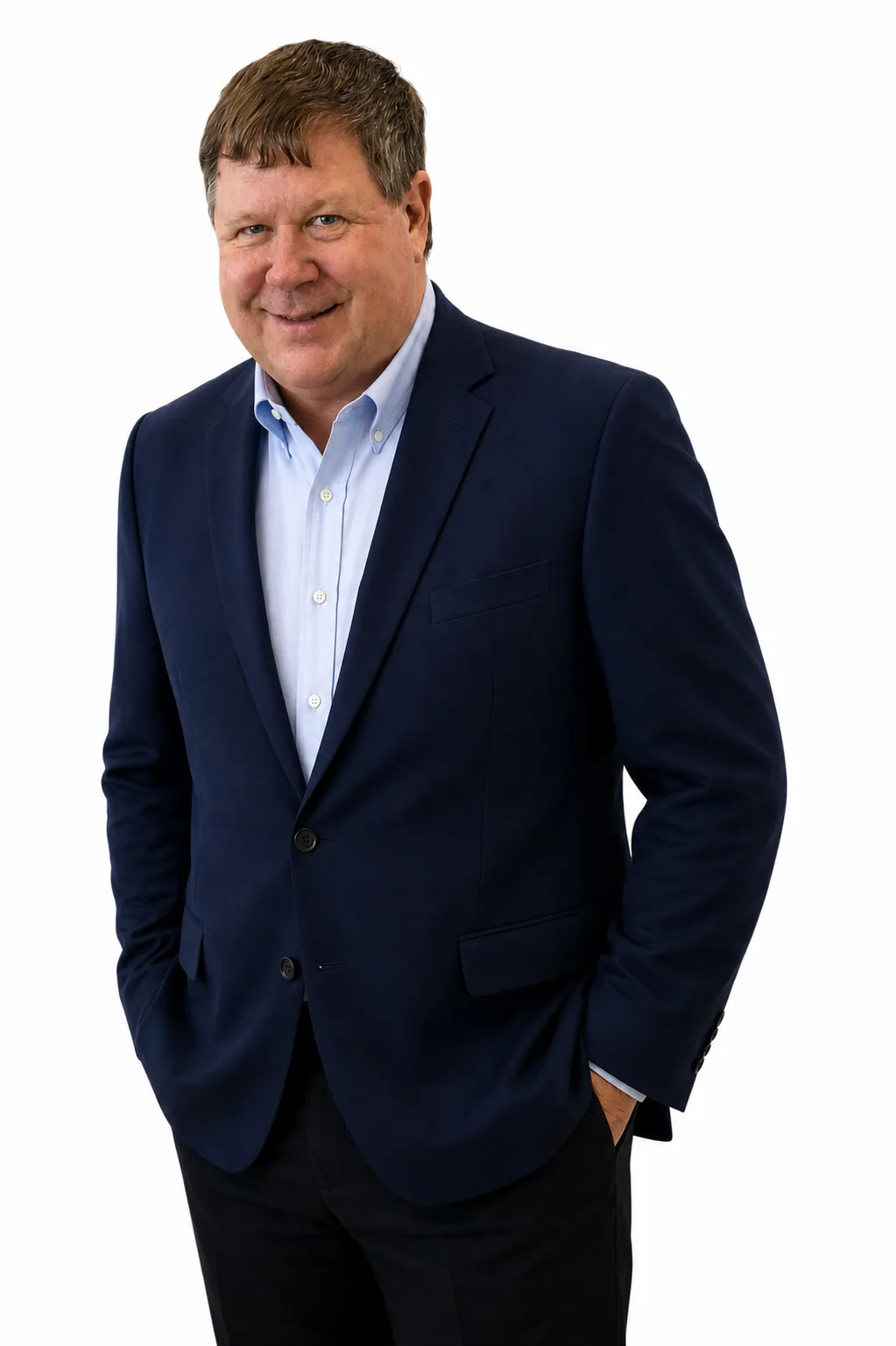
Over 40 years in real estate, 30 years exclusively in REO and distressed sales. Licensed Broker, Mortgage Broker (NMLS#1851106), and Title Agent (A259313) in Florida. I have worked with FHA, VA, Fannie Mae, Freddie Mac, Chase, CitiBank, Goldman Sachs, and more. I know how lenders, servicers, and government agencies operate from the inside.